- Hawaiʻi Hotel Hui Insider
- Posts
- Deep Dish Taxes, Castle Small Kine Expands, Brands Multiply
Deep Dish Taxes, Castle Small Kine Expands, Brands Multiply
Aloha !
Welcome to the latest edition of the Hawaiʻi Hotel Hui Insider.
Whether we are watching the legislative wrangling or tracking the relentless multiplication of hotel brands, one thing is clear: the industry never sits still.
Before we dive in, a big mahalo to our quarterly title sponsor, Allana Buick & Bers (ABB). While we talk strategy, ABB ensures your HVAC and mechanical systems don’t fail. They help Hawaiʻi owners shift from "fixing what’s broken" to proactive engineering, allowing your team to stay focused on the guest experience.
We are also incredibly excited to launch our new podcast, "Three Questions." It’s a short video series where we talk with the people actually working on the ground in Hawaiʻi’s hotel and tourism industry: no panels, no talking points, just three direct questions and a real perspective.
In our inaugural episode, we sit down with Jerry Dolak, Director of Safety and Security at Hilton Hawaiian Village Waikiki Beach Resort. We dive into the biggest issues facing the local industry, how to prepare for unexpected crises (especially for independent hotels), and some wild highlights from his 20-plus-year career. If there is someone you think we should talk to, let us know!
This issue is packed with industry news and a few reality checks. We break down Castle’s quiet strategy of stacking “singles and doubles” to move the scoreboard and look at the ongoing Maui Bill 9 saga. We also explore the possibility of Hawaiʻi losing its hotel tax crown and ask why the big hotel companies suddenly need so many dang brands.
Want to get in front of Hawaiʻi’s hotel decision-makers? We have a handful of sponsorship spots opening up. Click below to see if we're a match.
Good intel is better when shared. Forward this to someone who needs to see it.
Relying on a forward for your news is a risky strategy. Join the Hui directly and get the signal sent straight to your inbox.
Mahalo for coming along for the ride!
Let’s dive in.
Mahalo,

Dan Wacksman
Hawaiʻi Hotel Hui Insider Editor-in-Chief 😄

Castle Stacking Singles and Doubles
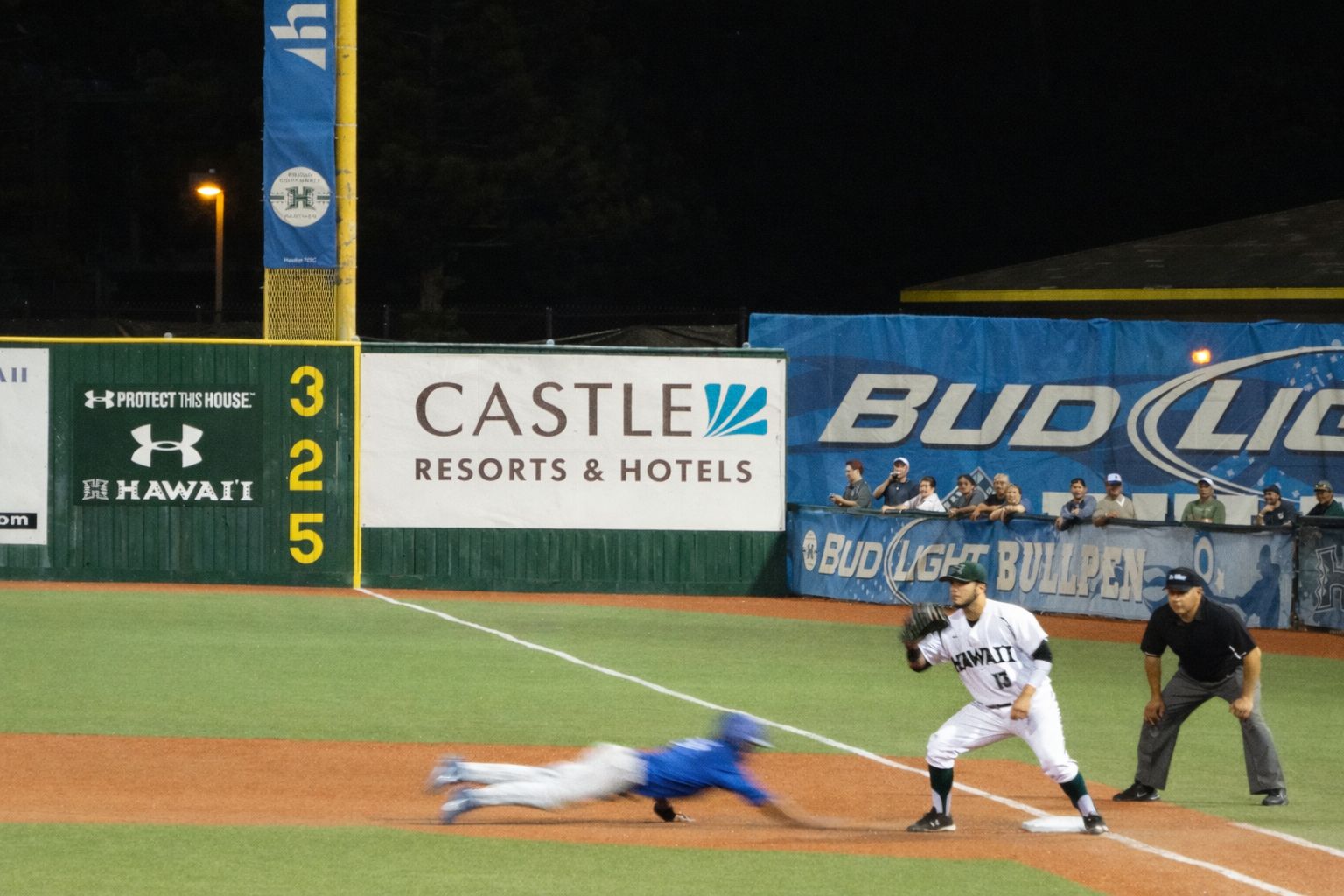
For a company that tends to fly under the radar, Castle Resorts & Hotels has been quietly stacking wins lately.
In recent years, the company has leaned more into vacation condos and rentals, but lately it’s been stringing together a series of notable moves in the hotel space. You might recall that we recently reported that two of their managed properties, ISO in Kauaʻi (~79 rooms) and the Hilo Hawaiian (~286 rooms), were converted into Wyndham’s Trademark Collection soft brand, gaining global distribution while still operating as independent-style hotels. Whether joining a soft brand ultimately moves the performance needle or simply adds a layer of brand fees is a calculation every owner has to make, but it certainly raises visibility.
As we previously reported, Castle also recently picked up the management contract for the Waikiki Circle Hotel (104 rooms) and has now added two more Oʻahu properties owned by Hawaiʻi developer Peter Savio: Bishop Suites at the Executive Centre (~ 30 rooms) in downtown Honolulu and the Waikiki Heritage Hotel (~ 60 rooms) on Beach Walk.
While others chase trophy assets, Castle is stacking solid singles and doubles that move the scoreboard, while leaning into its position as the local alternative.
Intent vs. Execution
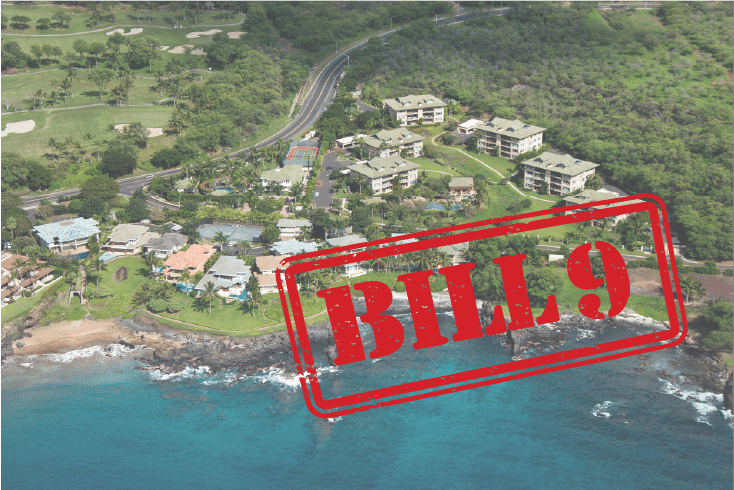
As we discussed in previous issues, Maui’s Bill 9 phases out more than 6,000 short-term rentals on Maui over the next several years, on the premise that those units should return to the long-term housing market.
In late February, the Maui Planning Commission rejected a proposal that could have preserved about 4,500 of those units as short-term rentals by creating new hotel zoning categories for properties that function more like visitor accommodations than housing.
That does not kill the proposal to create these “carve-outs”, but it makes the path harder because the County Council would now need a two-thirds vote to move it forward.
Bottom line: the housing goal is still colliding with the reality that many of these units have long operated as visitor lodging, and may not even be suitable for long-term housing. While Bill 9 is now law, the outcome is far from settled, and the next major moves will likely come from the courts.
Like much legislation, the intent is good, but the execution is flawed.
The End of Booking Engine Fees
-Sponsored-

For years, booking engine fees have quietly chipped away at hotel profits. Tambourine One puts an end to that.
When Tambourine powers your website and booking engine, you eliminate transaction fees and replace costly third-party vendors with one streamlined solution.
Lower costs. Better performance. More revenue that actually stays yours.
Right Pocket, Left Pocket, Slow Progress

The Green Fee Advisory Council has released its recommended package of 75-project recommendation package totaling $126.4 million, focused on resilience, stewardship, and tourism management. The list runs the gamut from native species restoration and cesspool conversions to beach restoration.
The current fight (and yes, there is a current fight) is not really about the projects, but about how the first round will be funded. Lawmakers are pushing back on the administration’s plan to fund the projects with $42.2 million in bonds instead of paying directly from the new Green Fee revenue. In other words, the same projects, a different pocket, and suddenly everyone has concerns. Nothing like a good bureaucratic fight to slow things down.
There is also a transparency issue. HB1949 was introduced to create a Green Fee transparency program and public dashboard, which is a polite way of saying lawmakers want a better handle on where the money is going. Theoretically, this is a great idea, but we wonder how much the transparency will cost.

Deep Dish, Wrigley Field, and Highest Hotel Taxes
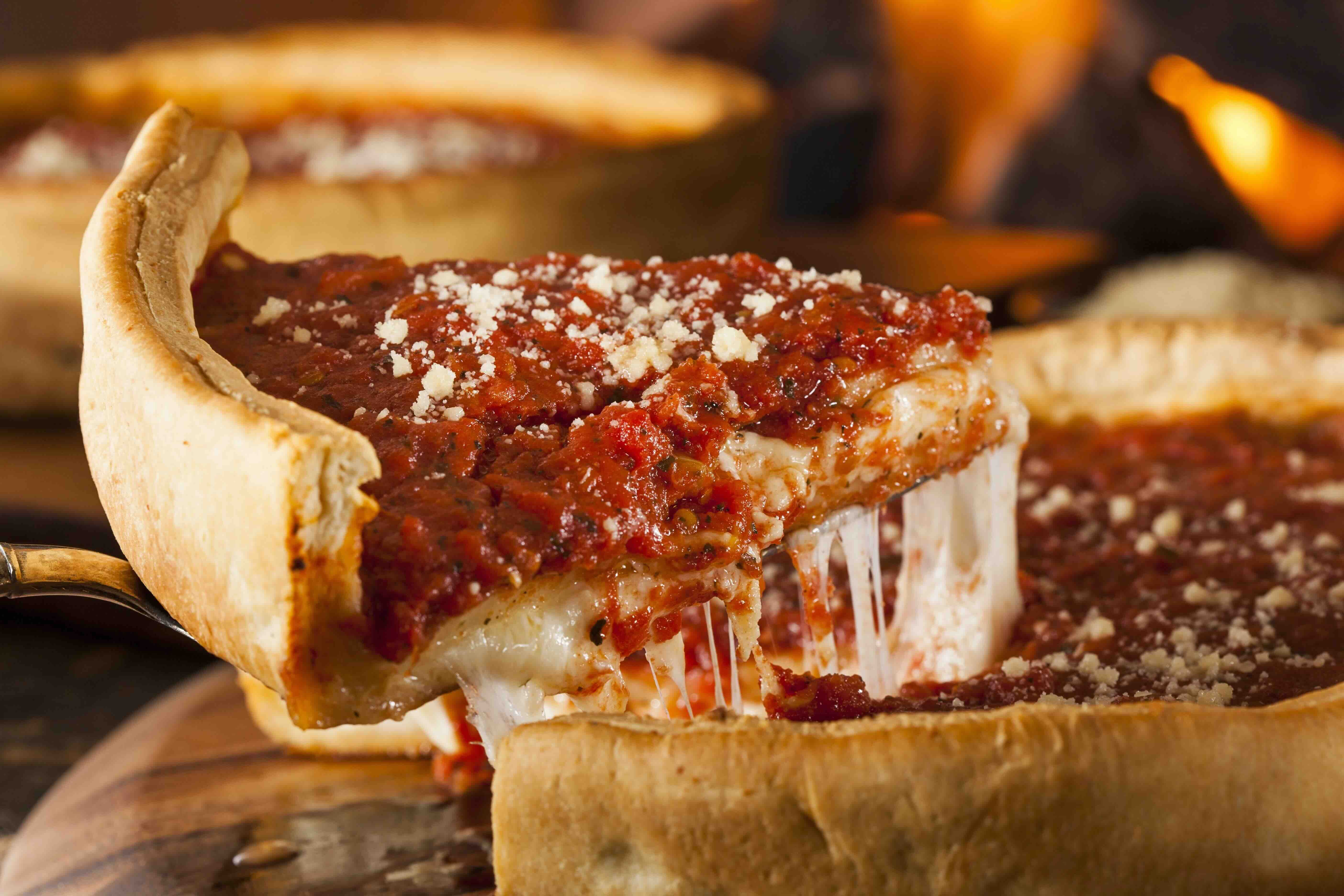
Chicago hotels are backing a proposal to raise their room taxes by 1.5 percentage points, from 17.5% to 19%, which would make them the highest in the U.S. (for comparison, Hawaiʻi’s combined Transient Accommodations Tax is about 14%, though the state’s General Excise Tax pushes the effective burden closer to 20%). The increase would generate about $40 million a year, earmarked for marketing and convention sales.
They might want to take a lesson from Hawaiʻi, where the original Transient Accommodations Tax (TAT) was created to fund tourism marketing. Over time, however, that revenue began flowing into the state’s general fund instead of being reinvested in promoting the destination.
In a bit of irony here in Hawaiʻi, lawmakers are now considering a bill (HB1950) that would earmark a portion of TAT back to marketing. Amazing how twisted things can get.
The bigger question is why cities even need to do this. Tourism marketing should already be funded by the taxes visitors are paying today. What other industry sees its product taxed at nearly 20% and still has to ask for funding to promote the very demand those taxes depend on?
The Regulators are Sniffing Around Our Comp Sets

Competitive benchmarking is under the regulatory microscope, even if the legal theory feels like a stretch to anyone who has actually run a hotel.
In the U.S., the major class-action suit against the big brands and STR (CoStar’s hotel benchmarking platform that compares metrics like price and occupancy across a set of competing hotels) was dismissed last August because, as most operators know, looking at anonymized historical data is not exactly a criminal conspiracy.
Across the pond, however, the UK’s CMA (Competition and Markets Authority, Europe’s version of the U.S. antitrust regulators) has just launched its own investigation, eyeing Hilton, IHG, and Marriott for "reducing competitive uncertainty."
While in the US, the DOJ is still riding high from its RealPage settlement in the rental housing market, these hotel cases are struggling because benchmarking is what we have done since the days of mystery shopping and manual phone trees. If analyzing last night’s ADR is a crime, then a lot of revenue managers in Hawaiʻi are going to need very expensive lawyers. Then again, STR is pretty basic and is also backward-looking. When AI pricing algorithms can do far more, will those tools start to look closer to price fixing or collusion?
Want to dive deeper? Check out the CMA’s official launch notice for the UK perspective.
Drive Direct Bookings from High-Intent Hawaiʻi Travelers
-Sponsored-
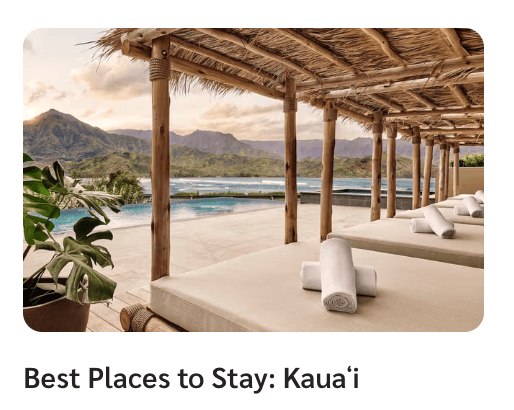
Travelers come to Hawaii.com when they’re actively planning their trip, researching islands, building itineraries, and deciding where to stay. That’s the perfect moment to introduce them to your property. Our platform blends inspiring travel content with integrated ads, helping hotels connect with high-intent visitors before they ever land on an OTA.
Through premium advertorials, sponsored itineraries, native placements, and display opportunities, your hotel can be featured directly within the content travelers trust while they plan their Hawaiʻi vacation. It’s a powerful way to tell your story, stand out from competitors, and guide travelers toward booking your property.
If you want more visibility with qualified travelers and more direct bookings, Hawaii.com can help.
Another day, another brand
IHG just added Noted Collection, bringing its brand count to 21, and adding 11 new brands in 11 years. Which got us wondering: how many brands do the big boys need before someone stages an intervention?
Accor: 53
Marriott: 38
Hyatt: 33
Hilton: 25
IHG: 21
Wyndham: 18
Note: We actually went to the websites and counted!
Corporate headquarters will tell you this is about “consumer choice.” Supposedly, today’s traveler demands a hyper-specific brand for every mood, moment, and mattress preference.
But if you’re a little skeptical (and we are), the story may be less about guests and more about the math.
By launching more brands, companies like Marriott and Hilton can sign additional hotels in the same market without running afoul of territory protections. In other words, they get to compete with themselves, just under different labels. And if you’re wondering why all these soft-brand “collections” keep popping up, it’s because they let companies sign more hotels without enforcing strict brand standards that are expensive and often kill a property’s character.
So is this really about consumer choice, or market share, franchise fees, and keeping owners in the system?

The Adara–Sojern “Two Brand” Strategy Didn’t Last Long

RateGain has been busy shopping lately. In 2024, the company acquired Adara, a travel data cooperative that aggregates booking and intent data from airlines, hotels, and OTAs to power targeted programmatic advertising. Then, in 2025, it went bigger, buying Sojern for about $250 million, one of the travel industry’s largest digital advertising platforms.
At the time, the press releases promised the usual corporate comfort food: no changes, two brands, complementary platforms, etc. But anyone who has watched tech acquisitions before could read the writing on the wall.
Sure enough, RateGain is now folding Adara into Sojern, combining traveler intent data with the ad platform that turns that data into bookings. Strategically, it makes sense. If you own the data on who’s planning a trip and the engine that serves the ads, you control a pretty powerful piece of the travel marketing funnel.
Now comes the interesting part: watching how well RateGain digests the meal.
Claude is Having a Moment

Anthropic’s Claude is having a moment. Downloads jumped, web traffic spiked, and it briefly knocked ChatGPT off the top free spot in the U.S. App Store after Anthropic’s very public clash with the Pentagon. ChatGPT is still much bigger, but Claude is drawing fresh attention from developers, enterprise buyers, and users who liked Anthropic’s refusal to go along quietly.
Why is Claude getting more love? The product is part of it. Claude has built a strong reputation in coding and agent-style workflows, and Anthropic’s business-first model is resonating with companies that care more about output than chatbot fame. Anthropic is positioning Claude less as a chatbot and more as a work layer, with Cowork, Excel integrations, and plugins that sit directly inside business workflows.
You can even see the ripple effects in hardware. Developers experimenting with Claude’s coding agents and workflow tools have reportedly been scooping up Apple Mac minis as affordable local AI workstations (a safety precaution in case the AI goes crazy on your main workstation). When people start buying hardware to build around your platform, it’s usually a sign that it has moved beyond novelty.
I have not spent enough time on Claude yet. Most of my recent experimentation has been split between Gemini and ChatGPT. But over the next month, I plan to dig deeper into Claude, especially the workflow side.
Note: Amazon does not own Claude, but it is a major investor in Anthropic and its primary cloud and training partner through AWS.
AI Will Replace OTAs… Eventually
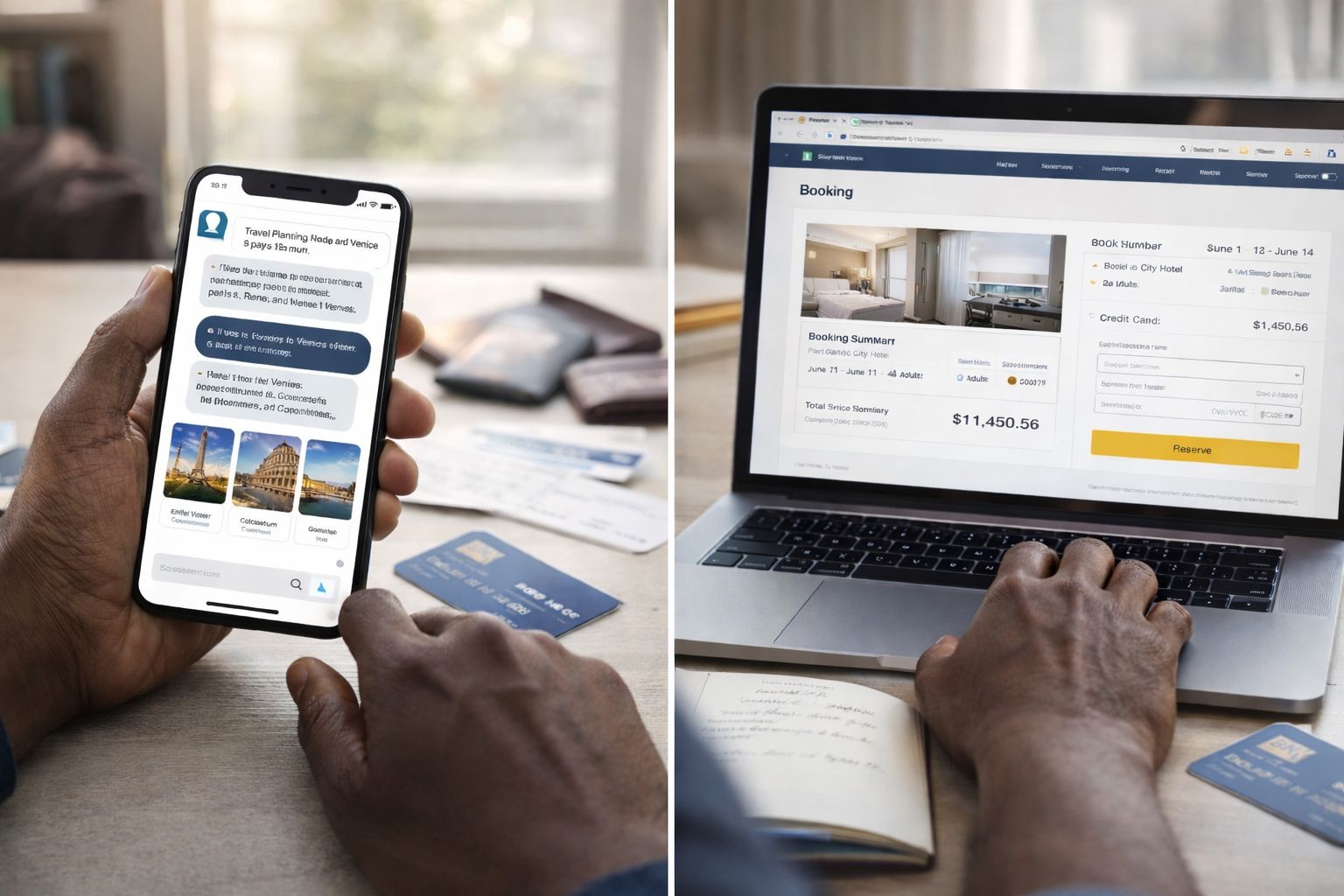
For the past year, there’s been plenty of chatter about AI agents bypassing OTAs and booking travel directly inside tools like ChatGPT. Turns out that it may take a little longer than expected.
OpenAI is reportedly backing away from building checkout directly into ChatGPT and will instead focus on discovery and search, leaving transactions to third-party apps. In other words, AI may help travelers plan trips, but actually completing the booking is still someone else’s problem (sound familiar, Google?)
Investors in Booking and Expedia seemed relieved. Both stocks jumped after the news, and Booking’s CFO recently noted that traffic from large language models remains “very small.”
So for now, OTAs are still in the driver’s seat. The AI revolution may start with trip inspiration, but the checkout page isn’t going anywhere just yet.

Industry Events
Hawai‘i Tourism Authority's - 2026 Spring Update - April 1, 2026 (Oahu)
2026 Travel Weekly Hawaiʻi Leadership Forum - April 21, 2026 (Oahu)
Visitor Industry Charity Walk - May 2, 2026 (Oahu)
Visitor Industry Charity Walk - May 2, 2026 (Kaua‘i)
Visitor Industry Charity Walk - May 9, 2026 (Maui)
The 6th Annual Hawai‘i Hotel & Restaurant Show - June 17-18th, 2026 (Oahu)
*If you have industry events to share, please email me at [email protected].

Spotlight on Hawai‘i Hospitality Opportunities
General Manager - Grand Wailea, A Waldorf Astoria Resort (Wailea)
Assistant Director of Housekeeping - Marriott International (Lahaina)
General Manager - Mauna Lani, Auberge Collection (Hawaiʻi Island)
Area Marketing Manager - Outrigger Hospitality Group (Hawaiʻi Island)
*If you happen to have any job openings, let us know. We will be glad to include them in the newsletter, space permitting; send the job link to [email protected].

I’ve said it before, and I’ll say it again: this is my favorite part of the newsletter. Not because it saves me from writing a few paragraphs, but because it proves you all are actually paying attention.
The inbox was particularly lively after our recent deep dives into the Classic Vacations legacy and the ongoing Michelin debate. It seems everyone has a perspective on whether we are buying prestige or building a brand, and whether AI is our new best friend or just the latest gatekeeper.
Here is a look at what has been landing in the inbox lately: the praise, the reality checks, and the strong opinions. As always, these are kept anonymous so you can speak your mind without checking with HR first.
Praise (The fuel that keeps the lights on)
"Love reading your wonderful newsletter that keeps me informed of all things hospitality."
"Appreciate the newsletter each month. Thanks."
"Loved the last issue of HHH, some great stuff in there, you always get me thinking."
The Michelin & "General Fund" Debate
"The Michelin commentary is interesting. There’s always something better to spend it on, but the reality is that $1 million into the general fund equates to $.01 of value to all of us normal people. 90% is wasted by government inefficiency, and the remaining 10% doesn’t do anything to help our businesses."
"Michelin … would be another marketing tool to bring people to Hawaiʻi.”
On the "Classic" Evolution
We were a bit taken aback by the response to the Classic Vacations/Ron Letterman story. We received comments from all corners of the industry, ranging from past employees to two CEOs.
"[The analysis of Classic Vacations is] all true, but I think a bit over simplistic...there was a play in the Expedia construct, to combine technology, travel advisors, and high-end consumers; we just never got the chance to play it out."
"What Classic under Ron's direction did for Expedia in Hawaiʻi was a turning point for how hotels were sold. I still remember the presentation as to why Expedia should be given the same wholesale terms."
"[TBO] bought Classic Vacations because it's a beloved brand both amongst luxury suppliers and travel advisors alike... If we can combine Classic's brand equity and reach with new tools that help travel advisors leverage AI... we can truly make a difference."
"Luxury has never been plug and play: it demands precision, service excellence, and human expertise. Together, we are elevating the standard... the future of luxury travel is advisor-centric."
Strong Opinions and Reality Checks
“When you consider the damage our elected officials do in just 60 days, think how much better we’d be if they just met for a long weekend…“
"AI is not becoming a new intermediary by default. It becomes one only when hotels do not control the introduction and identity upstream... AI interfaces will do the same thing [as OTAs] if demand still originates outside hotel ownership. The issue is not AI. The issue is who owns the guest relationship before comparison begins."
"Older travelers and even travel agents still need personalized help and a brand they can trust and depend on. Combining high touch with high tech is a niche that will set you apart."
Agree? Disagree? Have a hot take of your own? Fire back at [email protected], and your response might be featured anonymously in the next edition.

About Us
Hawaiʻi Hotel Hui was started by hotel industry veteran Dan Wacksman, CEO of Sassato, a Hawaiʻi-based consultancy that combines deep local expertise with a global perspective.
Our team brings decades of experience across operations, marketing, revenue, tech, and finance, all aimed at helping hotels and travel companies make smarter decisions and move faster. Whether you need additional expertise, extra horsepower, or just someone who thinks like you and moves things forward, we’ve got you. From local independents to global brands, we show up with a no-nonsense, results-focused mindset. To be blunt: we get sh*t done.
Recent projects include brand transitions, system selection (PMS, CRS, CMS — all the acronym soup), implementations, project management, feasibility studies, training, audits, and everything in between.
A lot of organizations deal with stretched teams, siloed processes, and messy tech stacks that quietly stall important work. We fix that. Happy to chat if this hits close to home.